We don't find the plan. We create it.
Behind the Product
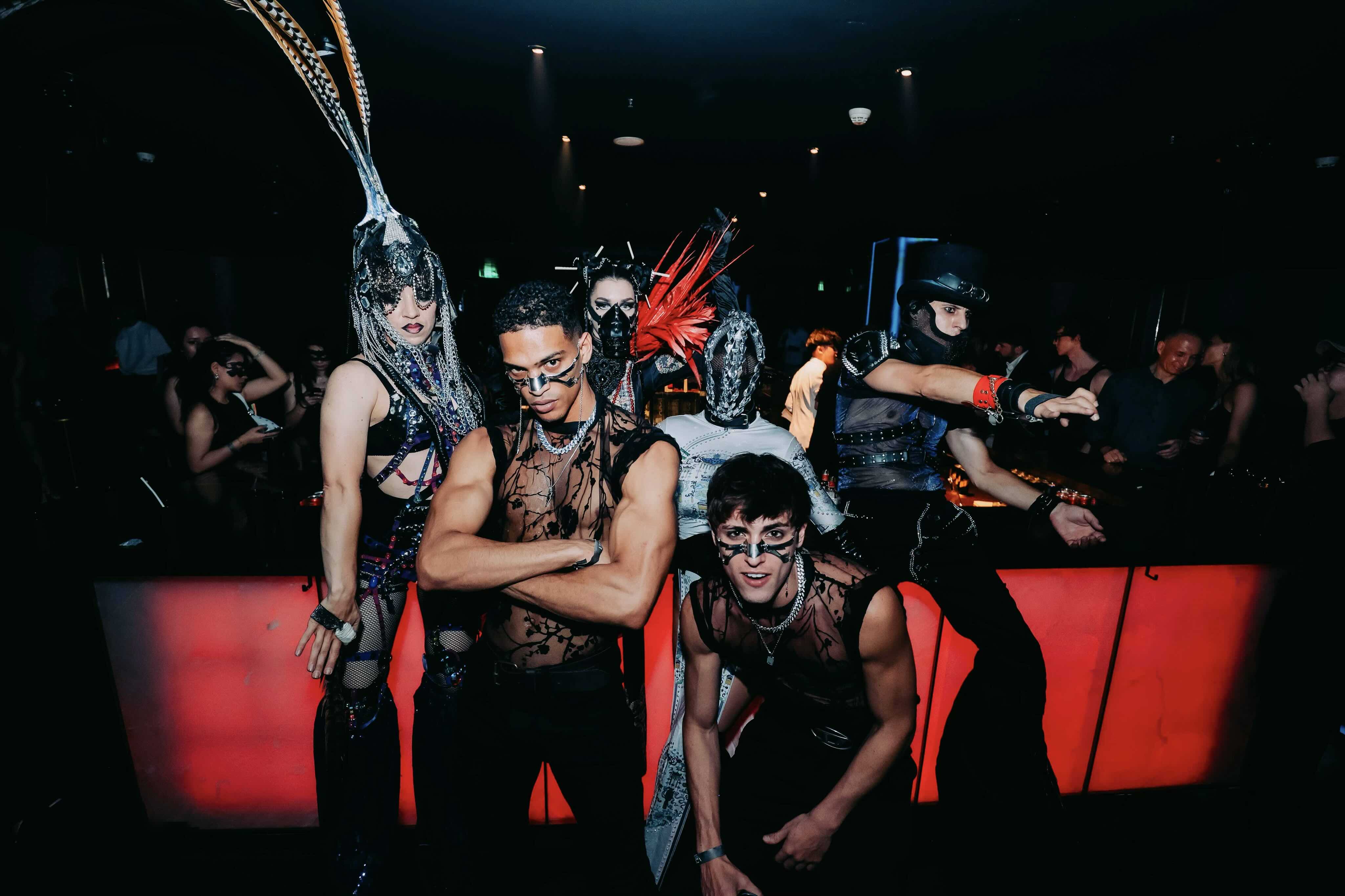
A few months ago in Shanghai, twenty people walked into a room dressed entirely in black — and they weren't the entertainment. They were the night.
100 Models Night didn't have a fashion brand behind it. No designer launching a collection. No commercial reason for it to exist. It happened because we decided the city's calendar needed a Saturday where everyone who came looked like they were already part of the show.
Three months earlier, we'd done the opposite — a night where the people who came were the audience, and the show came to them. Dark Circus. Contortionists, performers in feathered headdresses and chain mail, masked acrobats moving through the crowd. Held in the Edition Hotel. The kind of night where guests stopped trying to take photos halfway through because they realized they were inside the photo.
Neither of these events had to happen. Unight is an app. We could stop at recommendations and let the city's events scene happen around us. Many platforms do.
We don't. And it's worth explaining why.
The same job, in a different format
The thing Unight does at its core is curate experiences worth your time.
That's the promise the app makes. When you ask where to go, you don't get a list. You get a place we'd stand behind. Every venue scored, every recommendation earned. We've spent nine years building the methodology that makes that promise real.
Events are the same job, just in a different format.
When we throw a night, we're not running a party. We're curating a social experience the same way we curate a venue. Concept first. Audience second. Execution last. The question we ask before throwing any event is the same one we ask before adding any venue: is this worth someone's time?
If the answer is yes, we build the night. If the answer is no, we don't run it just because somebody asked. There are events we've turned down. There are sponsorships we've walked away from. Curation is a discipline, not a slogan, and the line holds whether we're talking about a wine bar in Jing'an or a Saturday night in a hotel ballroom.
The output looks different; one is a venue listing in the app, the other is two hundred people in the same room, but the work behind both is identical. Decide what's worth doing. Make it happen at a higher standard than anyone else is willing to. Let the audience feel the difference.
What Unight events actually feel like
Dark Circus. Held at the Edition Hotel. A performance-driven night where the show was the room. Contortionists, masked performers, headpieces of feathers and chains moving through the crowd, not on a stage. The lighting was designed so guests couldn't always tell where the performance ended and the party began. The whole point was the immersion. You weren't watching a circus. You were inside one.
100 Models Night. A Saturday in Shanghai, where the dress code was the concept. Everyone is in black. The room itself became the runway. No catwalk, no front-row seats, no commercial brand pulling strings, just the city's most photographed people, in one room, on one night, by invitation. The kind of event where the photos travel for weeks afterwards because the visual was unrepeatable. We targeted the audience that wants to see and be seen, and we built a night where that exchange was the entire mechanic.
Different concepts. Different audiences. One thing in common: nobody else in the city was going to throw these nights. Not because they couldn't. Because they didn't think of them.
That's the work.
What makes a Unight night different
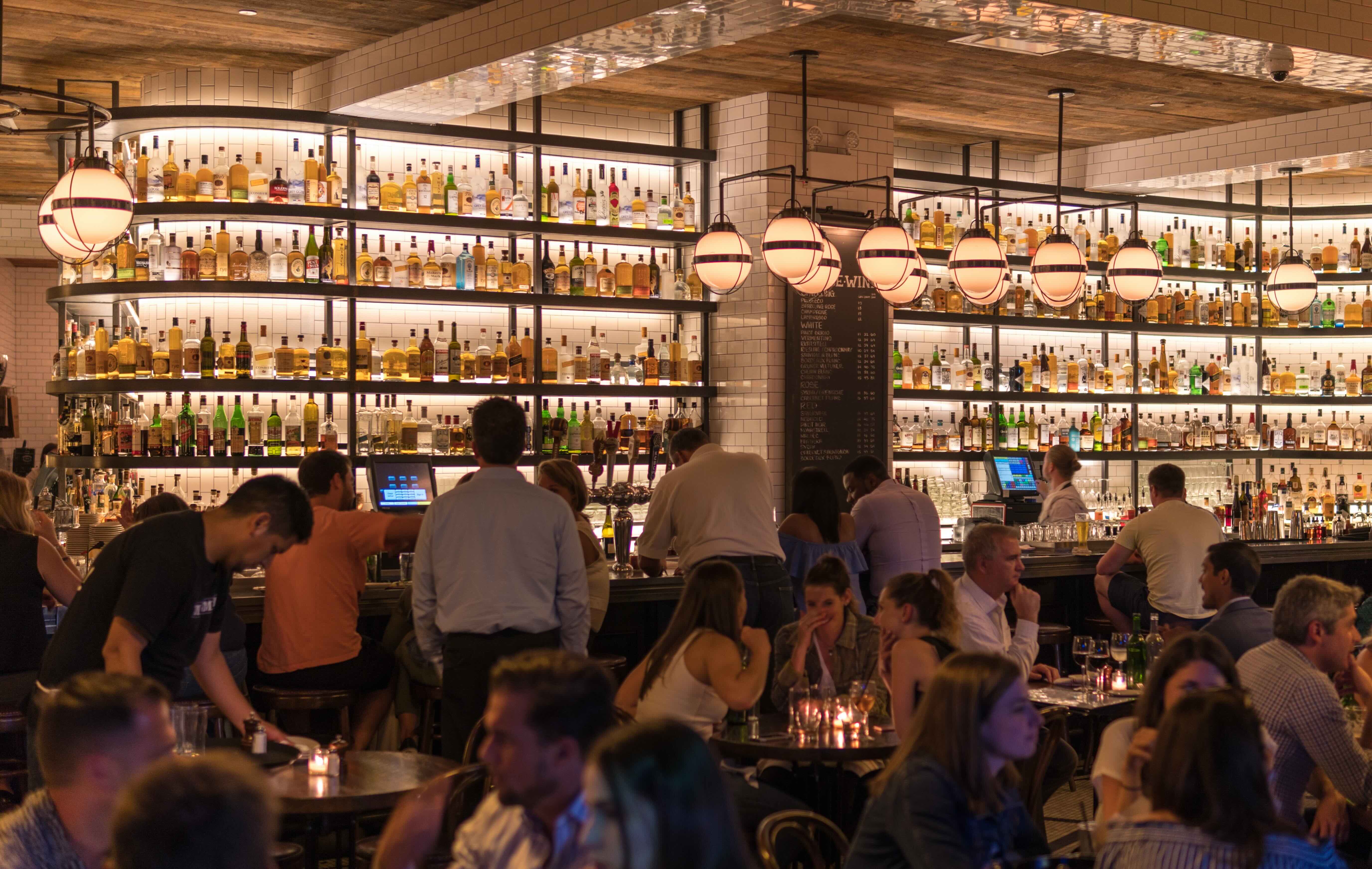
There's a way most events get made in 2026. A brand calls an agency. The agency calls a venue. The venue books a DJ. Three weeks later, there's a party with somebody's logo on the wall. It's a transaction dressed as a night out.
Our events don't start there. They start with a question: What is missing from this city's calendar this season? Then we build backwards from the answer.
That's why our events feel like editorial rather than commerce. The starting point is the idea, not the brief. The design follows the idea. The audience follows the experience. By the time the doors open, every decision in the night traces back to a single creative thought somebody had in a room six weeks earlier.
A second difference: we don't try to throw the biggest night in the city. We throw nights at the size the concept demands. Dark Circus was an intimate performance experience — adding 500 more guests would have killed the immersion. 100 Models Night was an exercise in visual density — the entire point was the room. Scale is not the goal. Fit is.
A third: the audience comes from us. The crowd at a Unight night is, by design, the crowd that already trusts Unight. The first wave of every event goes to the community — the users who follow what we're doing, who've been to enough of our nights to know the bar we set. The room fills with the right people because the right people get there first. Everything else compounds from that.
Why does an app company run events?
The conventional wisdom is that an app should stay an app. Digital products scale. Events don't. Most platforms learn this and quietly retreat to pure software.
We've learned the opposite lesson over nine years.
An app that lives only on a phone is a tool. A platform that produces moments people remember is a brand. The difference is what people feel when they see the name. Unight, to our community, doesn't mean the app I open when I want to find somewhere to go. It means the people behind that night I'll still be talking about a year later.
That distinction is the entire business.
You can't manufacture it with content. You can't buy it with ads. You can't earn it by being a great app. The only way to make a platform feel like a culture is to actually produce the culture — to throw the parties, run the nights, build the moments that go on to define what your platform stands for.
So we do.
And every night does three things at once that no app feature can do alone. It deepens trust — a guest who has a great night at a Unight event opens the app differently afterward. They believe the recommendations more. They tell their friends. It creates a moment — photos and stories from a great night travel across Xiaohongshu, WeChat, Instagram, and pull a new wave of users toward the platform. And it strengthens the community — because every event is a chance for the people who already trust us to meet each other.
That last part matters most. The platform and the events aren't two separate things. They're the same business, in two formats, reinforcing each other every weekend.
What we're really doing
The headline of this article is we don't find the plan, we create it. That's true, but it's only half the story.
The fuller version: most discovery platforms accept the city as a given. They take what's already happening and try to organize it. Unight takes what isn't happening and makes it exist.
The reason Shanghai has a 100 Models Night is that we ran it. The reason there was a Dark Circus is that we built it. The events we produce are the cultural argument the rest of the platform sits on top of. When Unight tells a user where to go on a Tuesday, the recommendation carries weight because we've spent nine years putting on the kind of nights that earned us the right to be trusted.
But the deeper reason — the real reason — is simpler.
At the end of every night we throw, what matters isn't the design budget or the photos or the press coverage. It's two people standing at the bar at 1am, drinks in hand, both there because they trusted Unight enough to come, telling each other a story they're going to keep telling. A moment to celebrate. A moment to connect. A reason for two strangers to leave the night as friends.
That's the whole point of curation. Not the venue. Not the score. Not the recommendation. The night that follows.
Anyone can build a directory. Anyone can train an AI on scraped venue data. Anyone can make an app.
Almost nobody is willing to actually create the culture they claim to curate.
That's why we throw the parties. That's why we'll keep throwing them. And that's why, when you open Unight, the answer you get back isn't just from a platform.
It's from the team that builds the nights you remember.